
Best GPU to Buy 2025: Top Picks for Performance and Value
In 2025, buying a GPU has become more complex and nuanced than ever before. The landscape is shaped by rapid technological advances, evolving market dynamics, and an ever-expanding array of options from AMD, Intel, and NVIDIA. Whether you’re a casual gamer, a competitive esports enthusiast, or a professional content creator, understanding how to navigate this bustling market is essential to making an informed purchase. In this comprehensive guide, we’ll explore the key factors you need to consider and provide expert insights to help you find the best GPU to buy in 2025 that matches your needs and budget.


Understanding the GPU Market Landscape in 2025
The GPU market in 2025 is influenced by global supply chains, technological innovation, and competitive strategies among the three major players: AMD, Intel, and NVIDIA. These companies are continuously pushing the boundaries of graphics performance but face hurdles like chip shortages, tariffs, and manufacturing delays. As a result, prices fluctuate widely, and availability can be unpredictable.
It’s crucial to understand that these dynamics directly impact your options and budget when buying a GPU. Keeping track of upcoming releases and market trends can help you identify the optimal time to purchase and which models are likely to offer the best performance for their price.
The Main Players: AMD, Intel, and NVIDIA
The landscape is dominated by three key manufacturers. NVIDIA has traditionally led in high-end performance and ray tracing capabilities, while AMD offers compelling value with competitive pricing and larger VRAM options. Intel, relatively new to the discrete GPU scene, is making strides with innovative features and better integration with their CPU ecosystem.
In 2025, NVIDIA still maintains a stronghold for enthusiasts seeking top-tier ray tracing effects, thanks to their advanced RTX series. However, AMD has improved its game significantly with new RDNA architectures, providing excellent rasterization and valuable features at lower costs. Intel introduced their Arc series, targeting gamers and creators looking for efficient and modern hardware.
OEM vs. Custom Models: What to Know
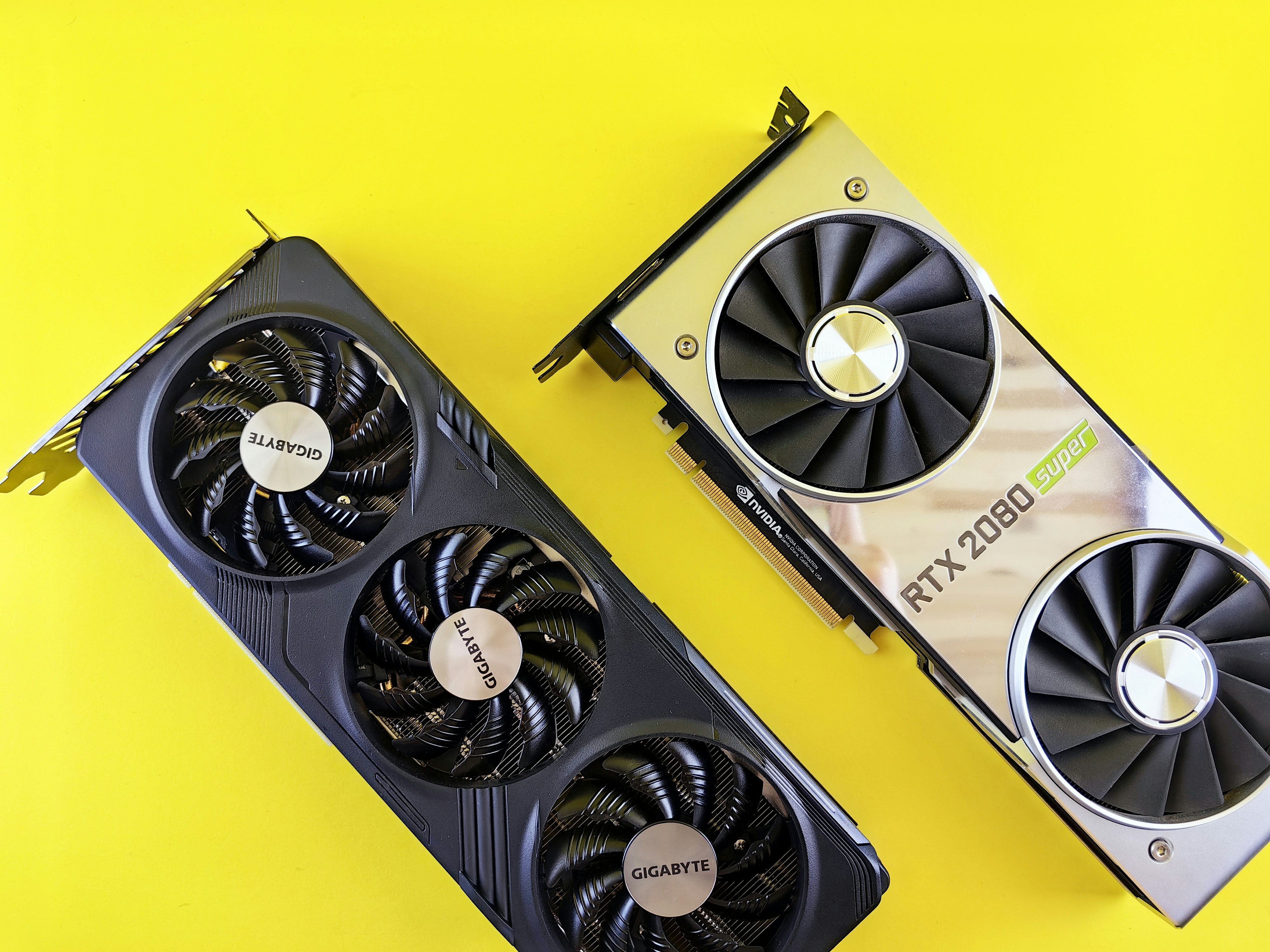
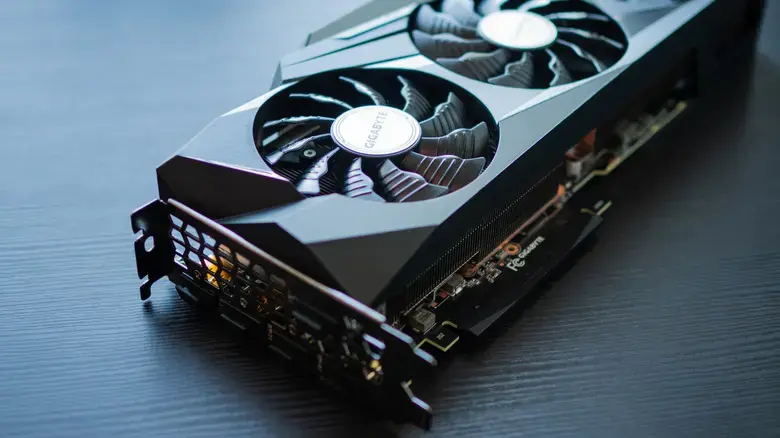
Many manufacturers like ASUS, Gigabyte, and XFX produce custom versions of GPU models with enhanced cooling, factory overclocking, and unique aesthetics. OEM models are usually found in prebuilt systems or as reference designs directly from manufacturers. Custom models can significantly improve performance, thermal management, and noise levels, but they often come at a premium.
When buying a GPU, consider whether investing in a custom model is worth it for your specific use case. If you’re building a gaming powerhouse or content creation rig, opting for a higher-quality, overclocked version may provide better longevity and user experience.
Market Trends and Price Fluctuations
2025 has seen some dramatic shifts. After initial supply chain alleviations, demand spikes—driven by new game releases and AI-driven workloads—have pushed prices back upwards. Conversely, as new generations mature, older models often experience steep discounts, making them attractive options for budget-conscious buyers.
Stay informed by monitoring tech channels and trusted review sites. Regularly checking price trends helps you time your purchase better, especially when deals or warranty discounts are available.
Impact of Global Supply Chains and Tariffs
Supply chain disruptions and tariffs heavily influence GPU prices. Restrictions on chip manufacturing in Taiwan or China, increased tariffs, and semiconductor shortages all boost costs across markets. This effect trickles down to the consumer, often resulting in inflated retail prices or limited stock.
Understanding these factors can help you decide when to buy or explore alternative options, such as refurbishments or America-based importers, to maximize savings.
When to Expect New Releases and Price Drops
Manufacturers tend to unveil new GPUs approximately every 1-2 years. The most recent wave of launches was in late 2024, with early 2025 seeing mid-range models targeted at mainstream users. Historically, major price drops occur a few months after new releases or during holiday sales, making summer and late-year periods ideal for purchase.
Keeping an eye on official announcement schedules and industry leaks can help you anticipate when the best time to buy GPU will be for budget-friendly deals.
Key Factors to Consider Before Purchasing a GPU
A successful purchase hinges on understanding your specific gaming or content creation needs. Balancing performance with your system’s capabilities and your budget ensures you make a sustainable investment that will serve you well for years.
Gaming Needs and Usage Scenarios
Are you predominantly playing fast-paced esports titles at 1080p, or are you delving into ultra-high-definition 4K gaming with ray tracing enabled? Each scenario demands different hardware levels. For casual or competitive gaming, entry-level GPUs like the GeForce RTX 4060 Ti or AMD Radeon RX 7600 are sufficient, delivering high frame rates at 1080p and 1440p.
However, for players seeking immersive 4K experiences or professional rendering capabilities, higher-end cards such as the GeForce RTX 5080 or AMD Radeon RX 7900 XT are necessary, especially if you want to enable features like ray tracing without sacrificing performance.
VRAM Requirements for Longevity and Performance
VRAM acts as the GPU’s short-term memory, storing textures, shaders, and frame buffers. In 2025, games are becoming increasingly demanding, with 4K textures and complex scenes requiring more VRAM.
For longevity, aim for at least 8GB of VRAM for 1080p gaming; 12-16GB for 1440p or 4K gaming, especially if you’re interested in future-proofing. Some models offer VRAM configurations up to 24GB, like certain AMD Radeon Pro cards, catering to demanding professional workloads and high-fidelity gaming.
Physical Size, Compatibility, and Case Fit
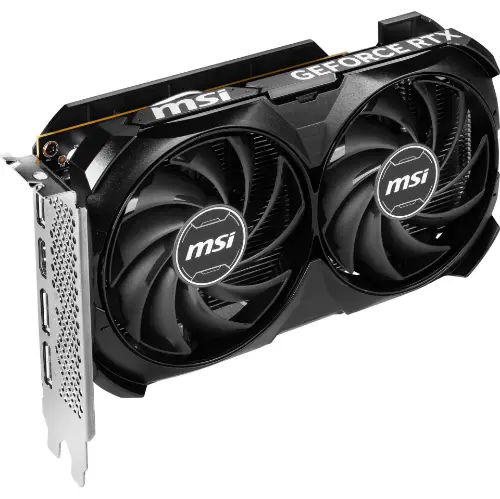
GPU sizes vary widely, from compact models measuring just a few inches to massive, triple-fan beasts. Before purchase, check your PC case’s dimensions and PCIe slot clearance. A physically large GPU may require additional case modifications or a higher wattage power supply.
Ensuring compatibility in terms of size and system capacity is essential to avoid investment in hardware that simply won’t fit or operate optimally within your setup.
Power Supply and System Compatibility
A powerful GPU demands more wattage and has specific power connector requirements. For example, the latest high-end cards often need a 750W or higher power supply with multiple 8-pin connectors. Confirm your PSU can handle the load, or plan to upgrade accordingly.
Additionally, make sure your motherboard supports the GPU slot and that your system’s CPU won’t bottleneck your graphics performance. A balanced system prolongs component lifespan and maintains optimal performance levels.
Budget Constraints and Cost-Performance Balance
In 2025, the best GPU to buy balances affordability with performance. High-end GPUs provide unmatched capabilities but come with hefty price tags. Mid-range options often deliver 90-95% of high-end performance at a fraction of the cost, making them ideal for most gamers.
Consider whether features like ray tracing are essential for you or if performance at 1080p or 1440p suffices. Setting a realistic budget helps narrow options and avoid overspending on marginal performance improvements.


Selecting the Right GPU Based on Your Gaming Preferences
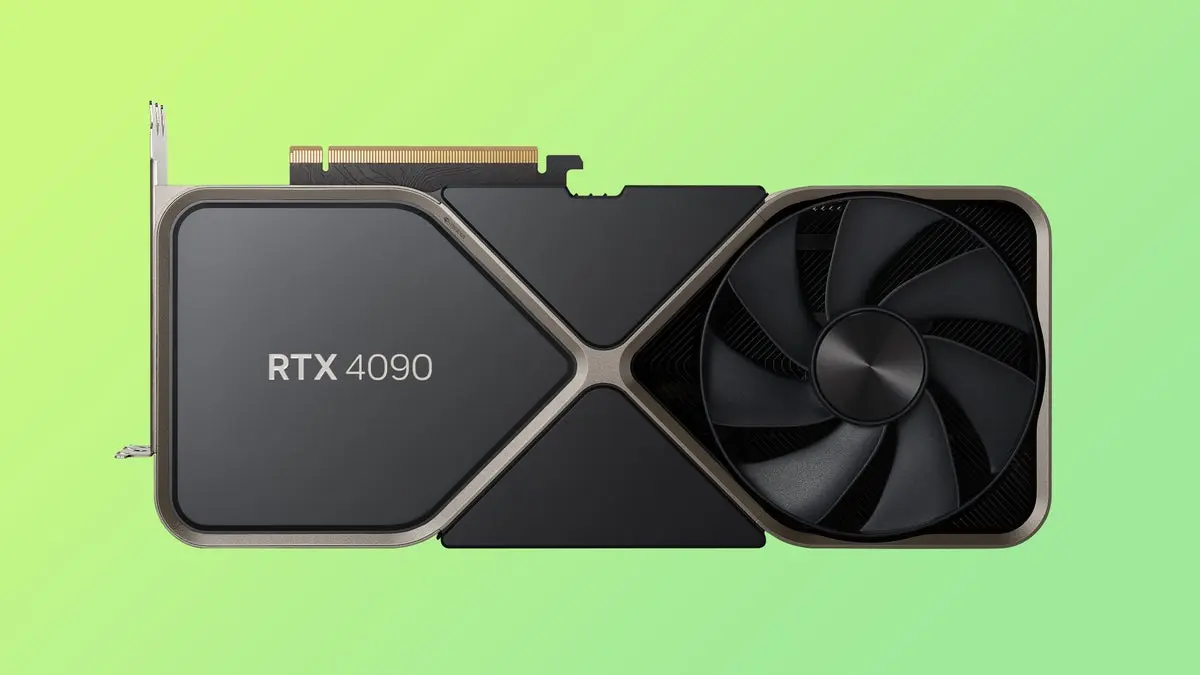
Your choice of GPU should be directly aligned with your preferred games, resolution, and refresh rates. Understanding the performance tiers helps ensure you get suited hardware without overspending.
For Competitive and Esports Titles (1080p Focus)
If your priority is fast, smooth gameplay in competitive titles like Valorant, CS:GO, or Overwatch, a mid-range GPU like the AMD Radeon RX 7600 or the NVIDIA RTX 4060 Ti will suffice. These cards deliver high frame rates (>144 fps) at 1080p, ensuring you stay ahead of the competition.
In these scenarios, ray tracing is less critical. Instead, focus on achieving high refresh rates and low latency. Budget-friendly options that keep costs in check are ideal for serious esports players.
For 1440p Gaming and High Refresh Rates
Moving up to 1440p gaming, you’ll want a GPU that offers a blend of rasterization power and ample VRAM. Models such as the NVIDIA RTX 4070 or AMD Radeon RX 7700 XT stand out, balancing performance with affordability.
At this level, enabling features like DLSS or FSR technology can significantly enhance performance, especially in newer AAA titles with demanding graphics. Investing in a capable GPU here extends your system’s relevancy and quality of experience.
For 4K and Ray Tracing-Intensive Games
Playing at 4K, especially with ray tracing features enabled, demands top-tier hardware. The NVIDIA RTX 5080 or AMD Radeon RX 7900 XT/XTX are suitable options, capable of delivering smooth gameplay at high settings.
However, these models are often quite expensive, so assess whether the visual enhancements justify the investment. Using upscaling tech like DLSS 3 or AMD FSR 3 can help achieve higher frame rates without sacrificing visual fidelity.
Considerations for Future-Proofing Your Setup
To keep up with evolving game requirements, consider choosing a GPU with additional VRAM, higher core counts, and support for the latest technologies such as PCIe 5.0 and HDMI 2.1. Building with future-proofing in mind ensures your PC remains capable for years to come, avoiding frequent upgrades.
While it can be tempting to buy the absolute best available now, a slightly lower-tier GPU with modern features can often provide similar longevity at a lower cost, especially when paired with technologies like DLSS and FSR that extend usable life.
Using Upscaling Technologies Like DLSS and FSR
Modern upscaling tech from NVIDIA and AMD is game-changers in 2025, allowing you to enjoy high frames with demanding settings without overburdening your GPU. DLSS (Deep Learning Super Sampling) and FSR (FidelityFX Super Resolution) can increase frame rates while maintaining visual quality.
Incorporating these into your gaming setup broadens your options, enabling you to select a GPU that might not be the absolute highest-tier but performs exceedingly well with these technologies enabled, providing excellent value.
Comparing Major Manufacturers and Their Offerings
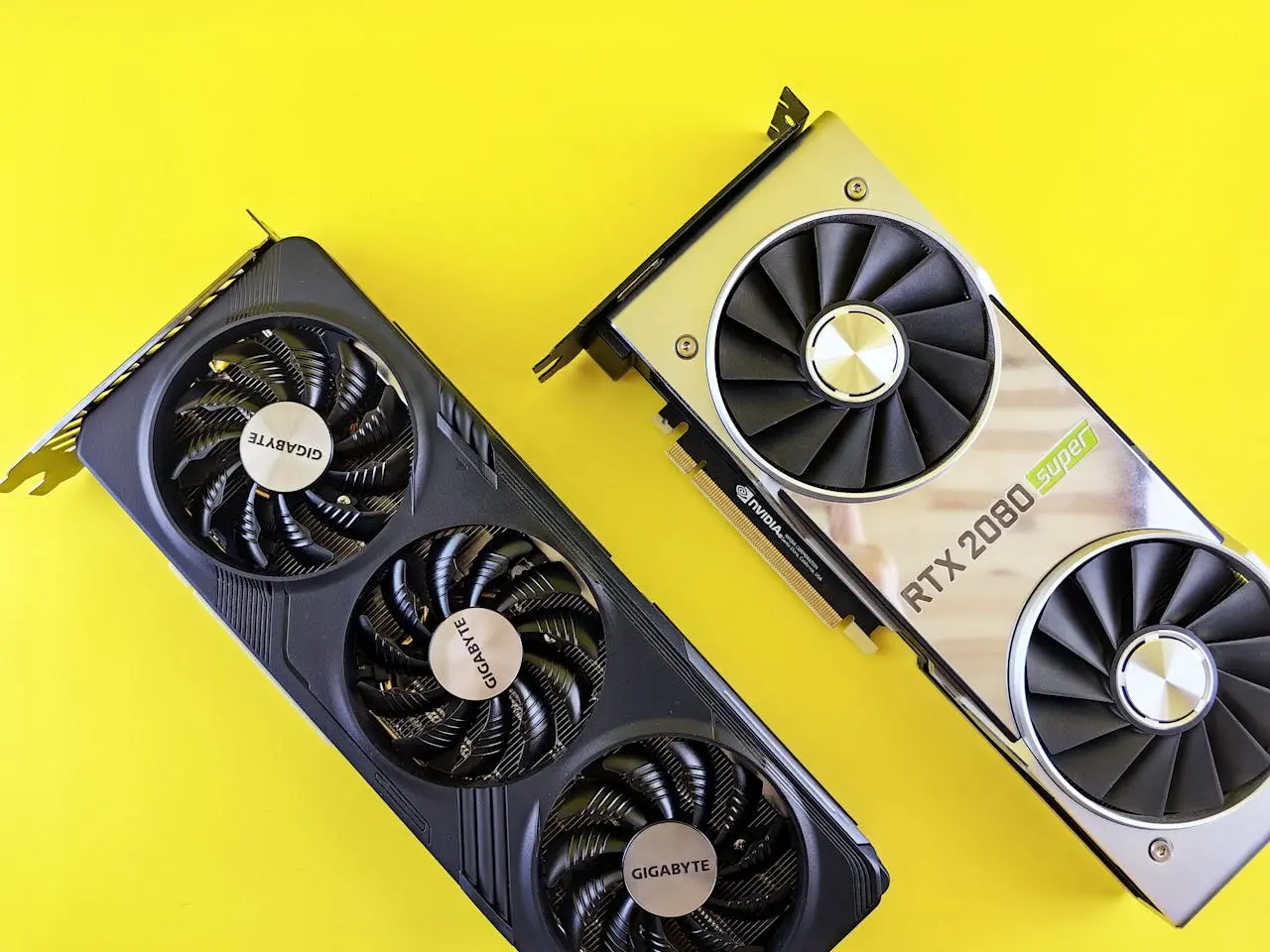
Knowing the strengths and weaknesses of each manufacturer’s lineup can help refine your buy GPU decision. Each brand offers unique features, ecosystems, and value propositions that can influence your choice.
NVIDIA: Strengths, Weaknesses, and Best Value Models
NVIDIA has historically led in ray tracing, AI-enhanced features, and software support. Their RTX series provides outstanding performance in ray-traced games, thanks to dedicated RT cores and DLSS technology.
However, NVIDIA GPUs tend to be more expensive, especially at the high end. Models like the RTX 4070 or RTX 4080 strike a balance between performance and cost, offering excellent value for those prioritizing cutting-edge visuals and features.
AMD: Competitive Pricing and VRAM Advantages
AMD’s RDNA 3 architecture offers compelling value by providing more VRAM at lower prices. For example, the Radeon RX 7800 XT or RX 7700 XT deliver robust rasterization capabilities with higher VRAM configurations, which can be advantageous for future gaming or professional tasks.
AMD also excels at offering excellent performance at 1080p and 1440p resolutions, often matching or surpassing NVIDIA in these tiers. With a focus on affordability and features like Smart Access Memory, AMD remains a strong contender in 2025.
Intel: Emerging Competitor with New Features
Intel’s Arc series introduces a new player into the discrete GPU market. Their offerings focus on impressive price-to-performance ratios and integration with Intel CPUs, providing an alternative for budget-conscious gamers.
While still evolving in driver stability and software ecosystem maturity, Intel’s GPUs are promising, especially for users who want a competent gaming card without the premium prices of NVIDIA or AMD. Expect their performance to improve as they continue refining their architecture.


Manufacturer-Specific Technologies and Ecosystems
Many brands tailor their GPU offerings with proprietary cooling solutions, aesthetics, and software features. For instance, ASUS and Gigabyte produce custom models with enhanced cooling and factory overclocking, boosting performance.
Additionally, the ecosystem of software, driver support, and direct customer service can influence your ongoing experience. It’s worth considering brand loyalty or looking into user reviews when making your final decision.
How to Choose Between Brand Loyalty and Performance
While brand loyalty might sway some, the pragmatic choice is always performance and value. Sometimes, a less-known manufacturer or a lesser-installed model may outperform branded counterparts when custom cooling and overclocking are factored in.
Evaluate your priorities: do you prefer aesthetics and brand reputation or raw performance and cost-efficiency? Balancing these considerations will guide your step towards the best GPU to buy in 2025.
Evaluating Performance Metrics and Technical Aspects
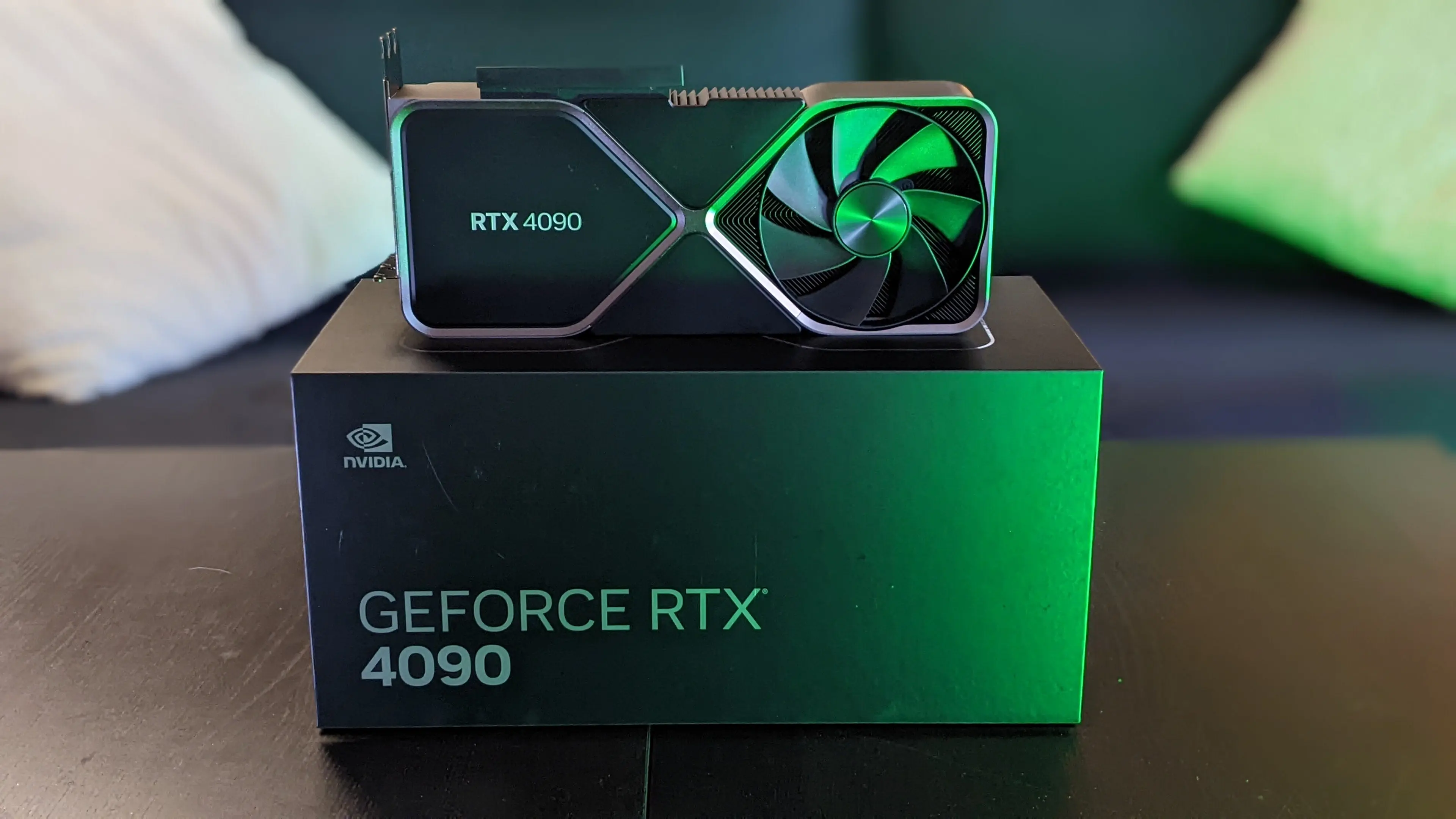
Technical specifications and real-world benchmarks are vital when assessing which GPU aligns with your needs. Beyond raw numbers, driver support, thermal management, and power efficiency significantly impact long-term satisfaction.
Benchmarking and Frame Rate Expectations
Benchmark tests provide insights into how a GPU performs across various titles and resolutions. A GPU with higher FPS in demanding games at your preferred resolution ensures a smooth and enjoyable experience.
Compare benchmark data from trusted sources, and remember that synthetic tests should be complemented with real-world gaming scenarios to get an accurate picture.
Ray Tracing and Realistic Graphics Capabilities
Ray tracing brings realism by simulating how light interacts with surfaces, but it comes with performance penalties. Nvidia’s RTX series has historically led in this area, supported by dedicated RT cores.
AMD’s recent architectures have improved their ray-tracing capabilities, and their solutions often come at a better price point. Evaluate whether ray tracing features are important to you and select a GPU accordingly to get the ultimate realistic graphics experience.
Driver Support and Software Stability in 2025
Regular driver updates and software support are crucial for performance, stability, and security. Nvidia, AMD, and Intel all invest heavily in their driver ecosystems, but some brands offer more reliable release cycles or cleaner interfaces.
Check for recent reviews on driver stability, especially if you’re balancing gaming with professional workloads.
VRAM Size and Memory Bandwidth Considerations
As game textures grow larger, VRAM becomes more critical. Higher bandwidth ensures data flows efficiently, reducing bottlenecks. For instance, 12-16GB VRAM cards are advisable for 4K gaming or heavy content creation.
Memory bandwidth and bus width also influence performance in high-resolution scenarios, so consider these technical factors when buying a GPU.
Power Consumption and Thermal Management
High-performance GPUs draw significant power and generate heat. Adequate cooling solutions and a quality power supply are necessary to sustain performance and extend hardware lifespan. Some models are optimized for efficiency, consuming less power while delivering comparable performance—a key consideration for building energy-efficient systems.
Practical Tips for Buying a GPU in 2025
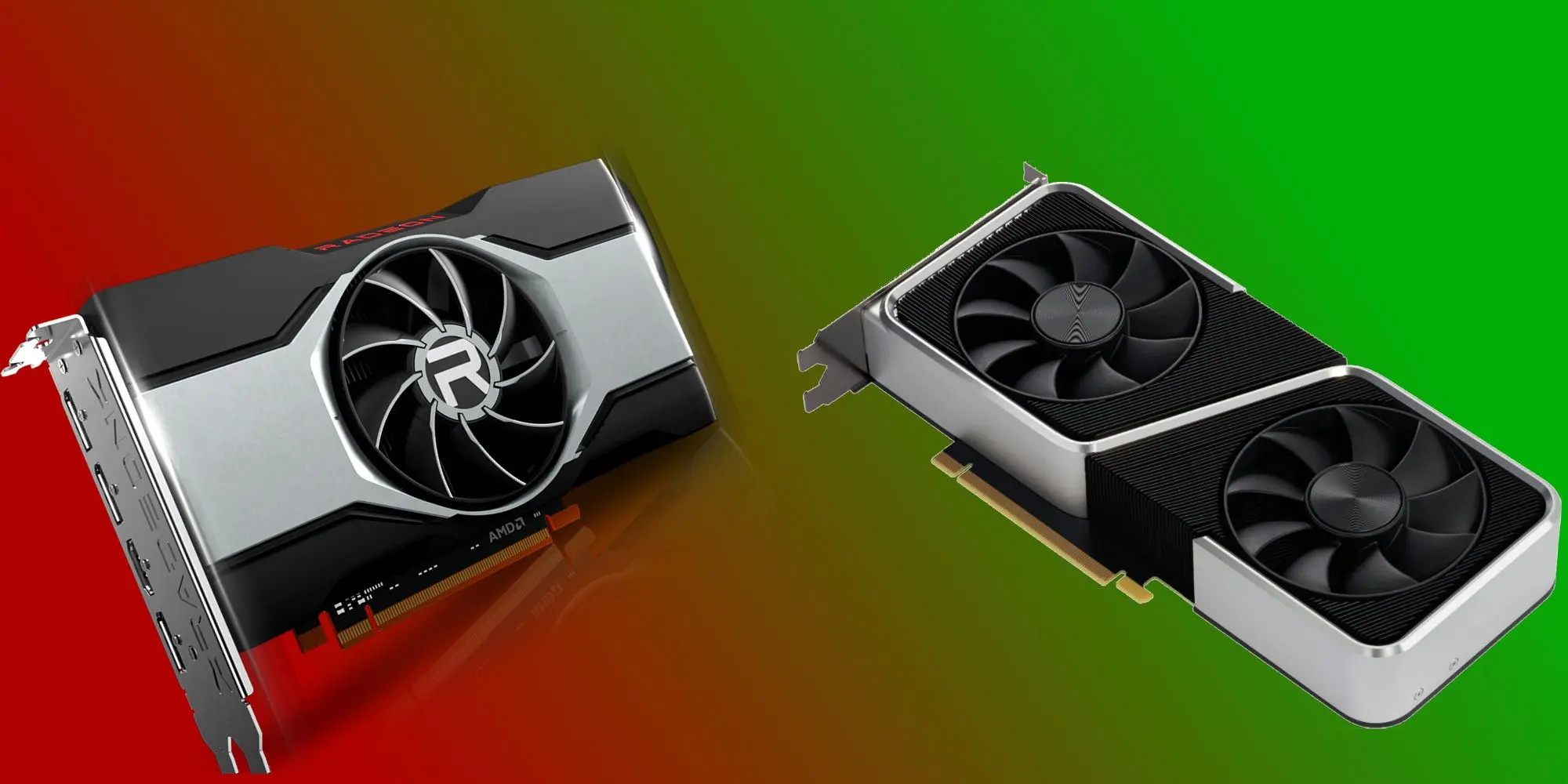
To make a savvy purchase, you need to consider practical aspects such as physical compatibility, pricing timing, and available purchasing channels.
Checking Physical Dimensions and Case Compatibility
Before purchase, measure your case’s PCIe slot, clearance, and airflow capacity. Larger, triple-fan models like the NVIDIA RTX 5090 are spectacular but may not fit in smaller cases. Look for compact or mini-form-factor GPUs if space is limited.
Consult manufacturer specifications or user reviews for accurate size info to avoid costly installation issues.
Assessing Power Supply Requirements
Ensure your power supply can handle the GPU’s wattage demands. High-end cards often require additional power connectors and higher wattage ratings. Upgrading your PSU may be necessary, especially if you’re also upgrading to a faster CPU or adding peripherals.
A reliable, high-capacity power supply not only ensures stability but also future-proofs your build for upcoming hardware upgrades.
Considering New or Used GPUs: Pros and Cons
Buying new guarantees warranty and the latest features, but used or refurbished GPUs can offer significant savings. Be cautious about potential wear or hidden issues, and verify seller reputations.
If you opt for used hardware, inspect it carefully and prefer trusted marketplaces or certified refurbishers to avoid disappointment.
Where to Shop: Retailers, Online Marketplaces, and Deals
Trusted sources include official retailer websites, specialized PC components stores, and reputable online marketplaces. Seasonal sales events like Black Friday or Cyber Monday often feature steep discounts, making now an excellent time to buy.
Using price comparison sites or dedicated services like 24hTrending.com can help identify the best deals and confirm that you’re not overpaying.
Timing Your Purchase for Better Prices
The best time to buy GPU is typically during major sales periods when manufacturers or retailers discount models to clear inventory. Ideally, wait for broader new releases to see previous generation prices drop, maximizing value.
Additionally, early Q3 or holiday seasons often feature promotional deals, enabling you to save significantly.
Future Predictions: What Will Be the Best GPU in 2025?
The GPU industry is poised for exciting advancements as AI, machine learning, and 8K gaming demand push innovation further. Upcoming hardware may feature more efficient architectures, increased VRAM, and enhanced ray-tracing capabilities.
Stay tuned to industry announcements for anticipated releases. As market competition heats up, prices will stabilize or even drop for previous models, increasing accessibility for all.
Expected Technological Advancements
Expect to see further integration of AI acceleration, improved efficiency in GPU architectures, and broader adoption of real-time ray tracing as standard features. The move toward more energy-efficient designs will also make high performance accessible to a wider audience.
Upcoming Releases and Innovations
Next-generation GPUs from NVIDIA and AMD are rumored to introduce new architectures and significant performance boosts. Intel’s continued investment promises more options for consumers and businesses alike.




How Market Dynamics May Shift Rankings
As competition intensifies and new technologies emerge, the ranking of best GPUs to buy in 2025 will shift. Lower-tier cards might close the gap with high-end models through innovative upscaling and efficiency improvements.
Long-Term Value and Investment Considerations
Choosing hardware with strong future-proofing features and support will provide the best long-term value. Investing in a versatile GPU that scales across multiple workloads and technologies ensures your system remains relevant.
Final Recommendations for 2025’s Top GPUs
Based on current trajectories, models from NVIDIA’s RTX 50 series, AMD’s RX 7xxx line, and Intel’s emerging Arc series will dominate the landscape, but careful consideration of your specific needs, compatibility, and budget will always be central.
Conclusion
Navigating the GPU market in 2025 requires careful assessment of your gaming or professional needs, understanding the complex landscape of manufacturers and models, and timing your purchase to maximize value. By considering factors such as performance benchmarks, VRAM requirements, system compatibility, and market trends, you can confidently buy GPU that balances performance, features, and cost. Whether targeting high-end 4K ray tracing or budget-friendly 1080p esports, understanding these nuances will ensure you make a smart investment that will serve your needs now and into the future.