How to Train Dog to Use Ramp — The Ultimate Guide for Safe and Easy Assistance
Training your dog to use a ramp is an essential skill that enhances their safety, comfort, and independence. Whether you have an aging dog with mobility challenges or a puppy learning to navigate different terrains, understanding how to train your dog to use ramp effectively can significantly improve their quality of life. In this comprehensive guide, we’ll explore step-by-step methods, safety tips, and best practices to ensure your furry friend is confident and comfortable with a ramp.
If you’re asking how to train dog to use ramp, you’re in the right place! This guide will help you make the training process both fun and successful, turning a potentially intimidating device into a trusted part of daily life.
[mwai_chatbot id=”chatbot-gz6v6o”]
 amazon.com


Understanding the Importance of Ramps for Dogs

Using a ramp is more than just a convenience; it plays a critical role in ensuring ease of movement and preventing injuries. Especially for senior dogs or those with orthopedic issues, ramps help reduce joint stress and minimize the risk of falling. For active dogs, ramps facilitate exploration and exercise, especially when stairs or high surfaces are involved.
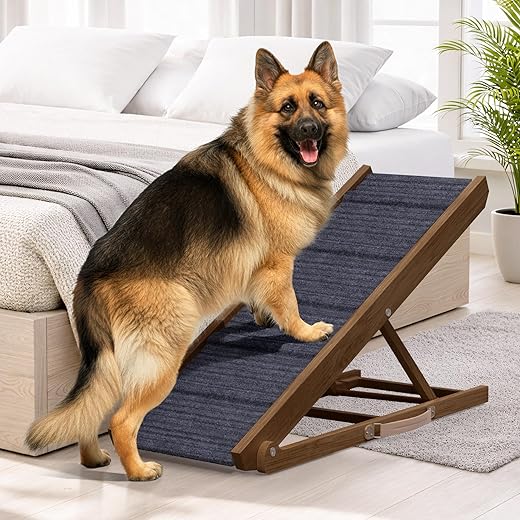
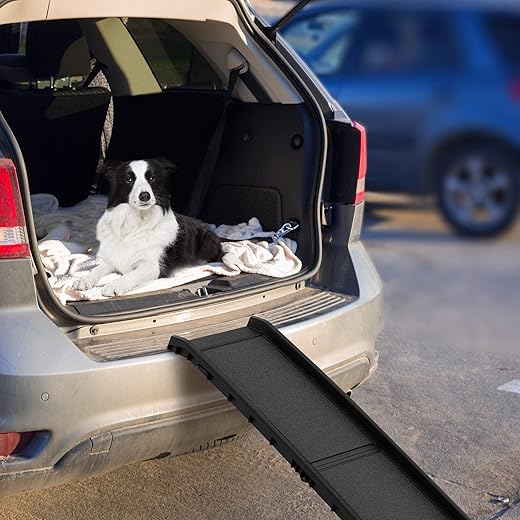
Furthermore, dog ramps promote safety and independence, allowing dogs to access beds, cars, or outdoor spaces without assistance or discomfort. Recognizing these advantages underscores the importance of training your dog to use a ramp confidently.
Benefits of Using a Ramp for Your Dog
Using a ramp provides multiple advantages that positively impact dogs’ physical health and emotional well-being. Beyond safety, ramps foster independence, which can boost their confidence.
- Reduces joint strain and minimizes injury risk
Large or aging dogs often face mobility challenges. Using a ramp alleviates the strain on hips, knees, and joints, especially when climbing onto beds, couches, or vehicles. This reduction in strain helps prevent long-term joint issues and sprains, ensuring your pet remains active longer.
- Supports dogs with mobility or health issues
Dogs with arthritis, hip dysplasia, or recovering from surgery benefit significantly from ramps. They offer a safer way for these dogs to move around without discomfort and help prevent accidents caused by fatigue or instability.
- Encourages independence and reduces anxiety
For dogs that are hesitant or cautious, a ramp provides a sense of control over their movements. Instead of waiting for help, they learn to navigate independently, boosting their confidence and reducing stress during daily activities.
- Enhances bonding through positive training experiences
Teaching your dog to use a ramp can be a bonding opportunity. When approached with patience and the right techniques, it turns into a trust-building exercise that reinforces your relationship.
Common Challenges Faced When Introducing a Ramp
Despite the evident advantages, many dogs initially face difficulties when introduced to new devices like ramps. These challenges can manifest through fear, hesitation, or disinterest, which require patience and understanding.
- Fear or anxiety about the ramp surface
Dogs may perceive the ramp as intimidating, especially if it makes unusual sounds or has a different texture than their usual flooring. Their natural caution towards unfamiliar objects can lead to refusal or hesitation.
- Reluctance to climb or explore
Some dogs are wary of navigating inclined surfaces, fearing slipping or falling. Previous negative experiences or lack of confidence can increase resistance.
- Difficulty in understanding how to use the ramp
Unlike stairs, ramps often require a different mindset for your dog to comprehend. If the ramp isn’t introduced gradually, they might feel overwhelmed rather than curious.
- Overcoming physical limitations
Elderly dogs or those recovering from injury might struggle with the physical effort required to ascend or descend a ramp, necessitating tailored training strategies.
Identifying Suitable Ramps for Different Dog Sizes and Needs
Selecting the right ramp is crucial for effective training and safety. Ramps vary in material, size, incline, and features, making it essential to choose one optimized for your dog’s specific needs.
- Consider your dog’s size and weight
Dogs come in all sizes, from tiny Chihuahuas to large Great Danes. The ramp should comfortably support their weight and accommodate their height. Small dogs benefit from lightweight, portable ramps, while larger breeds require sturdy, wider options.
- Evaluate the ramp’s material and grip
A slip-resistant surface is vital to prevent accidents, especially when the ramp gets wet. Popular materials include rubber, textured plastic, or carpeted surfaces. The material must balance durability, comfort, and safety.
- Assess the incline and length
A gentle incline is preferable for training and safety. Ramps with adjustable angles or longer lengths can provide a more manageable climb for dogs with mobility issues. Ensure the ramp length is sufficient so that the incline does not exceed 20-25 degrees for most dogs.
- Portability and storage
For outdoor use or frequent transport, lightweight and foldable ramps make handling easier. Storing is simpler with portable options, enabling quick setup and removal when needed.
Ensuring Safety and Comfort During Training
Creating a safe environment helps your dog associate positive feelings with the ramp, leading to more successful training sessions. Proper safety measures prevent injuries and ensure the training process is enjoyable.
- Check the stability of the ramp
Before introducing your dog, ensure the ramp is securely positioned. It should be stable and not wobble or slip. Use non-slip pads or mats underneath if needed, especially on smooth surfaces.
- Create a non-slip surface
If the ramp’s surface isn’t inherently slip-resistant, consider adding grip tape or rubber mats. This precaution helps your dog maintain traction as they ascend or descend, preventing falls.
- Ensure proper lighting and visibility
Bright, evenly distributed light makes the ramp more inviting and reduces shadows that might scare or confuse your dog. Avoid harsh or flickering lights that can create unease.
- Maintain a comfortable height
Start at a low height and gradually increase once your dog becomes confident. Avoid abrupt changes that can cause intimidation or injury.
- Supervise and scaffold initial attempts
Always supervise your dog during early training. Use treats, toys, or other rewards to motivate your dog and to gradually build their comfort level with the ramp.
Preparing for the Training Process
Before diving into how to train dog to use ramp, proper preparation is key. Selecting the right equipment, setting a positive environment, and understanding your dog’s physical capabilities will lay a solid foundation for success.
Selecting the Right Ramp Material and Size
Choosing the proper ramp is central to successful training. The material must align with your living environment and your dog’s preferences, while the size should be tailored to their physical characteristics.
- Opt for non-slip surfaces
Material quality can directly influence your dog’s confidence and safety. Ramps with textured or rubberized surfaces ensure good traction, which is particularly important on wet or cold days.
- Determine the appropriate length and incline
Measure the height your dog needs to cover (such as the height of a bed or the car door). The ramp should be long enough to create a gentle slope, ideally not exceeding an incline of 20-25 degrees. For instance, if you’re training your dog to get onto a bed that’s 20 inches high, a ramp length of 4-5 feet would facilitate a manageable incline.
- Consider portability and storage
Depending on your needs, choose a lightweight, foldable, or telescoping ramp. Such features make transportation and storage easier, especially if you need to move the ramp between different locations.
- Review customer feedback and top-rated options
Investing in a reputable, Amazon’s Choice product such as the PetSTEP Original Folding Plastic Dog Ramp or the Pet Gear Travel Lite Tram ensures reliability and quality. These trusted options are tested for durability, safety, and ease of use, making the training process smoother.
Creating a Positive Environment for Training
A positive environment encourages your dog to approach the ramp with curiosity rather than fear. Your attitude and surroundings significantly influence your dog’s willingness to learn.
- Choose a quiet, familiar space
Introduce the ramp in a quiet room or outdoor area where distractions are minimal. Familiar surroundings reduce anxiety and help your dog focus purely on the task.
- Use treats, toys, and praise
Positive reinforcements are fundamental to effective training. Keep treats handy, and use their favorite toys or verbal praise to reward your dog’s progress. This reinforcement associates the ramp with pleasant experiences.
- Establish a routine training schedule
Consistency is key. Training sessions at the same time each day establish familiarity and expectation. Keep sessions short and engaging—preferably 5 to 10 minutes—to prevent fatigue or frustration.
- Stay relaxed and patient
Dogs sense human emotions. Approach training with calmness and patience, avoiding frustration if progress is slow. Remember, learning how to train dog to use ramp is a process, and perseverance pays off.
Gathering Necessary Supplies (Treats, Toys, Leash)
Proper supplies create a seamless and successful training environment, ensuring both safety and motivation.
- High-value treats
Select treats that your dog finds irresistible and are easy to carry, such as small pieces of cheese or commercial training treats. Use these generously to reinforce positive behavior.
- Favorite toys or tug objects
Sometimes, a favorite squeaky toy or tug can motivate your dog to approach and stay engaged with the ramp.
- Leash and harness
Using a harness with a leash gives you control and helps guide your dog safely if they’re hesitant or start to stray. It also adds a layer of security during the initial stages.
- Non-slip mats or grip tape
To enhance safety, having extra non-slip materials ready in case the ramp surface needs additional traction.
- Comfortable mat or bedding
Place a soft mat at the base or top of the ramp to make the transition area more inviting.
Assessing Your Dog’s Physical Abilities and Limitations
Knowing your dog’s physical condition helps tailor the training process. Not all dogs are instantly capable of climbing a ramp, and some may require modifications or medical consultation.
- Evaluate mobility and strength
Observe your dog walking, climbing stairs, or jumping onto furniture. Are they hesitant or unsteady? Do they have difficulty lifting their legs or maintaining balance? These indicators inform whether a gentle incline or additional support is needed.
- Consult your veterinarian
For older or injured dogs, a vet’s assessment is essential before starting ramp training. They can advise on suitable ramp features, exercises, or if alternative options are necessary.
- Start with simple, low-height ramps
For dogs with physical limitations, begin with a very low or nearly flat ramp, gradually increasing incline as confidence and ability improve.
- Incorporate physical therapy or exercises
For dogs with mobility issues, targeted exercises recommended by your vet can enhance strength and flexibility, making the ramp experience easier.
Step-by-Step Guide to Teaching Your Dog to Use a Ramp

Training your dog on how to train dog to use ramp should be approached incrementally, gradually building their confidence through positive reinforcement and patience.
Introducing the Ramp to Your Dog in a Non-Intimidating Way
The first step is to familiarize your dog with the ramp as a benign object in their environment. This initial exposure sets the tone for subsequent training.
- Place the ramp in a known and comfortable area
Position the ramp on the floor or at a slight incline where your dog spends time. Let them approach the ramp at their own pace without forcing interaction.
- Encourage exploration without pressure
Use treats or toys to invite your dog to sniff, paw, or step onto the ramp. Avoid pulling or pushing; let curiosity unfold naturally. The goal is to desensitize them to its presence.
- Use descriptive and positive language
Consistently use encouraging words like “good,” “yes,” or “easy” when they show interest. This helps your dog associate the ramp with positive feelings.
- Model interaction if possible
If you have another dog that’s comfortable with the ramp, encourage them to use it first. Dogs often learn by observation, and seeing a peer accept the device can reduce anxiety.
Encouraging Initial Exploration and Curiosity
Once the dog is comfortable near the ramp, invite them to approach closer and attempt simple interactions.
- Reward exploratory behaviors
When your dog sniffs or steps onto the ramp, immediately reward with treats or praise. This positive association is crucial for building confidence.
- Use a target or cue word
Consistently pair a verbal cue like “up” or “climb” when encouraging them to step onto the ramp. Over time, this cue becomes an instruction your dog understands.
- Gradually increase interaction time
Encourage your dog to stay on the ramp longer, rewarding every step. Don’t rush; let their comfort grow naturally.
- Monitor body language and stress signals
Watch for signs of anxiety such as lip licking, yawning, or trembling. If these appear, pause the training and revert to easier steps.
Reward-Based Reinforcement for Approaching and Standing on the Ramp
Positive reinforcement solidifies behaviors and reduces fear. Rewards must be immediate and consistent to be most effective.
- Use high-value treats and praise
Immediately reward your dog when they approach, sniff, or stand on the ramp. This reinforces the behavior as desirable.
- Incorporate toys or play
Sometimes, introducing a favorite toy on the ramp can motivate your dog to stay and explore.
- Use gentle guidance if needed
If your dog hesitates, lure them onto the ramp with treats or a toy. Avoid pulling their collar; instead, guide with treats.
- Be patient and consistent
Consistent reinforcement over multiple short sessions fosters a positive learning environment and builds trust.
Gradually Increasing the Distance and Duration of Use
Moving from brief encounters to full usage involves incremental steps, ensuring your dog feels comfortable throughout.
- Start with short climbs
Encourage your dog to ascend partway, rewarding at each step. Then gradually increase the length of the climb.
- Increase the duration gradually
As your dog gains confidence, encourage them to stay on the ramp longer—walking up and down multiple times.
- Add slight incline adjustments
If your ramp is adjustable, slowly increase the angle over sessions, always monitoring your dog’s response.
- Encourage descending as well as ascending
Balance training by teaching your dog to descend safely, which helps with confidence and control.
Training on Different Surfaces and Angles for Versatility
To ensure your dog can use the ramp in various real-life situations, expose them to different surfaces and inclines.
- Vary the surface textures
Introduce different materials such as carpet, rubber mats, or textured plastic to simulate diverse environments.
- Practice on different days and locations
Train your dog in multiple settings—indoors, outdoors, on different floors—to generalize their skills.
- Adjust the ramp’s angle
Train with varying inclines to prepare your dog for different scenarios, such as steep stairs or uneven terrains.
- Use simulation for real-world situations
For example, if your goal is for your dog to use the ramp to access your car, set it up similarly, considering the vehicle’s height and surface.
Tips for Successful Training and Troubleshooting
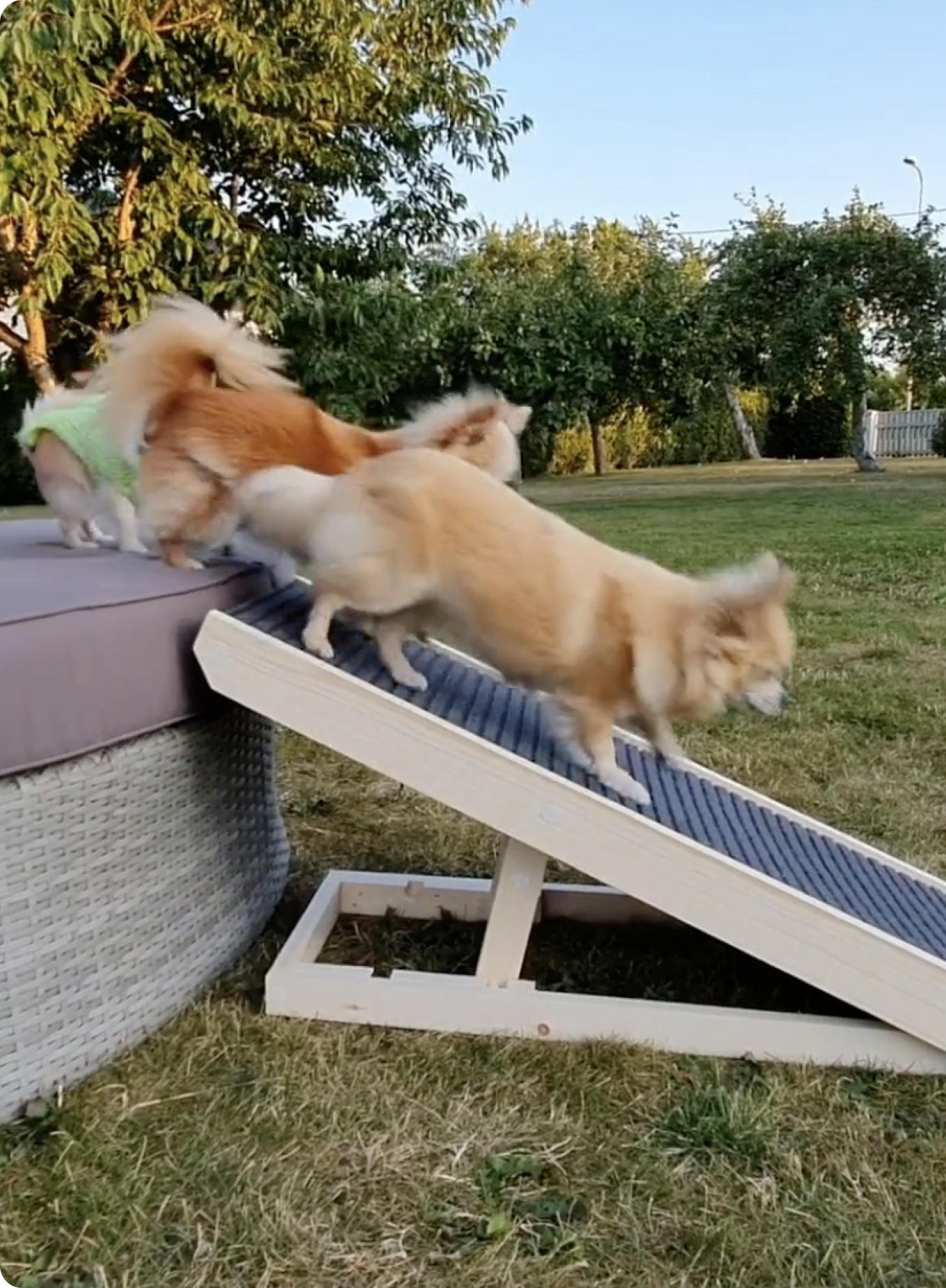
Like any training, how to train dog to use ramp requires patience, consistency, and adaptability. Recognizing potential setbacks and tailoring your approach ensures steady progress.
Maintaining Patience and Patience
Consistency and patience are the cornerstones of successful training. Dogs learn at different speeds; rushing can cause setbacks.
- Set realistic expectations
Not all dogs will learn overnight. Some may take days or weeks to feel comfortable. Celebrate small victories to stay motivated.
- Break training into short, daily sessions
Short, frequent sessions help maintain your dog’s interest and prevent fatigue.
- Use gentle encouragement
Avoid scolding or punishing if progress stalls. Instead, go back to easier steps and reinforce success.
Addressing Fear or Anxiety About the Ramp
Overcoming fear takes time and requires a gentle approach.
- Identify triggers that cause fear
Is it the height, the texture, or a loud sound? Address these specifically in your training.
- Slow exposure and desensitization
Reduce the ramp’s incline or keep it flat initially. Gradually increase difficulty as your dog becomes more comfortable.
- Use calming signals and body language
Stay relaxed and use a soothing tone. Your body language can influence your dog’s emotional state.
- Create a safe and inviting environment
Keep the area uncluttered and familiar. Avoid rushing or forcing the dog onto the ramp.
Using Commands and Cues to Reinforce Behavior
Consistent cues help your dog understand expectations and reinforce learning.
- Choose simple, clear commands
Use a consistent command like “up” or “climb.” Pair it with a hand gesture if desired.
- Associate cues with positive outcomes
Always reward your dog after they respond correctly to the command. This helps establish a clear connection.
- Use the command before starting the climb
Say the cue as you encourage or lure your dog onto the ramp. Be patient and repeat if necessary.
- Connect cues to natural behaviors
Incorporate cues into daily routines—like calling your dog onto the bed or into the car—to reinforce their understanding.
Monitoring and Adjusting the Ramp or Training Approach as Needed
Flexibility is essential for accommodating your dog’s evolving comfort level.
- Regularly evaluate your dog’s response
If your dog shows signs of persistent fear or discomfort, reassess the training plan or the ramp’s features.
- Adjust the incline or surface if necessary
For example, if your dog slips, consider adding more grip to the surface or lowering the incline.
- Seek professional help if needed
Consult a canine behaviorist or trainer for tailored guidance, especially for dogs with special needs.
- Incorporate feedback from your dog
Always prioritize your dog’s signals and be willing to modify the approach whenever necessary.
Preventing Injury and Ensuring Safe Use
Safety should always come first during how to train dog to use ramp.
- Ensure the ramp is sturdy and well-maintained
Regularly inspect for damage, loose parts, or worn-out surfaces.
- Supervise sessions and usage
Never leave your dog unattended on or near the ramp, especially during early training.
- Teach safe descending techniques
Encourage your dog to descend slowly and confidently to prevent falls or joint strain.
- Avoid abrupt changes or overexertion
Respect your dog’s physical limits, and stop if they show signs of fatigue or distress.
Long-Term Maintenance and Reinforcement

Teaching a dog how to train dog to use ramp is an ongoing process that benefits from continued practice and reinforcement to maintain skill and confidence.
Regular Practice to Build Confidence and Habit
Consistent, daily reinforcement solidifies your dog’s familiarity with ramp use.
- Schedule daily or weekly sessions
Short, regular practice maintains skills without overwhelming your dog.
- Reward continued use
Use treats and praise to reinforce their comfort and proficiency.
- Incorporate ramp into routines
Use the ramp regularly for activities like getting into the car or onto furniture. This creates HABIT and reduces resistance over time.
- Gradually fade treats to maintain motivation
As your dog becomes more proficient, use treats intermittently to keep behavior reinforced without dependency.
Incorporating the Ramp into Daily Routines
Making ramp use habitual integrates seamlessly into your pet’s life.
- Use during daily activities
Encourage your dog to use the ramp when accessing beds, couches, or vehicles, making it a natural part of their environment.
- Make it part of their exercise or play routine
Incorporate the ramp into play, chasing, or movement exercises to boost confidence.
- Create positive associations
Always end sessions on a positive note with treats or cuddles, fostering eagerness for future interactions.
Upgrading or Changing Ramps as Your Dog Grows or Develops
Your dog’s needs will evolve, demanding different features or sizes.
- Choose adjustable or modular ramps
These allow you to modify incline and length as your dog grows or health changes.
- Invest in durable, high-quality ramps
Improved materials and features like better grip or easier storage justify replacement and upgrades.
- Monitor for discomfort or resistance
Signs of reluctance or discomfort indicate it might be time for a different ramp or additional modifications.
- Transition gradually to new ramps
Introduce the new ramp alongside the old one, ensuring a smooth transition.
Recognizing Signs of Discomfort or Resistance and Responding Appropriately
Awareness of your dog’s signals ensures their well-being and sustains successful training.
- Signs of discomfort
Whining, hesitation, lagging behind, or attempts to avoid the ramp are clues your dog may be uncomfortable.
- Adjust training accordingly
Back off to previous steps, offer more treats, or change the ramp’s incline or surface.
- Address underlying issues
Pain, fear, or fatigue require medical evaluation and adjustments to your approach.
- Maintain a supportive attitude
Encouragement, patience, and understanding foster trust and make ramp use a positive experience.
Conclusion
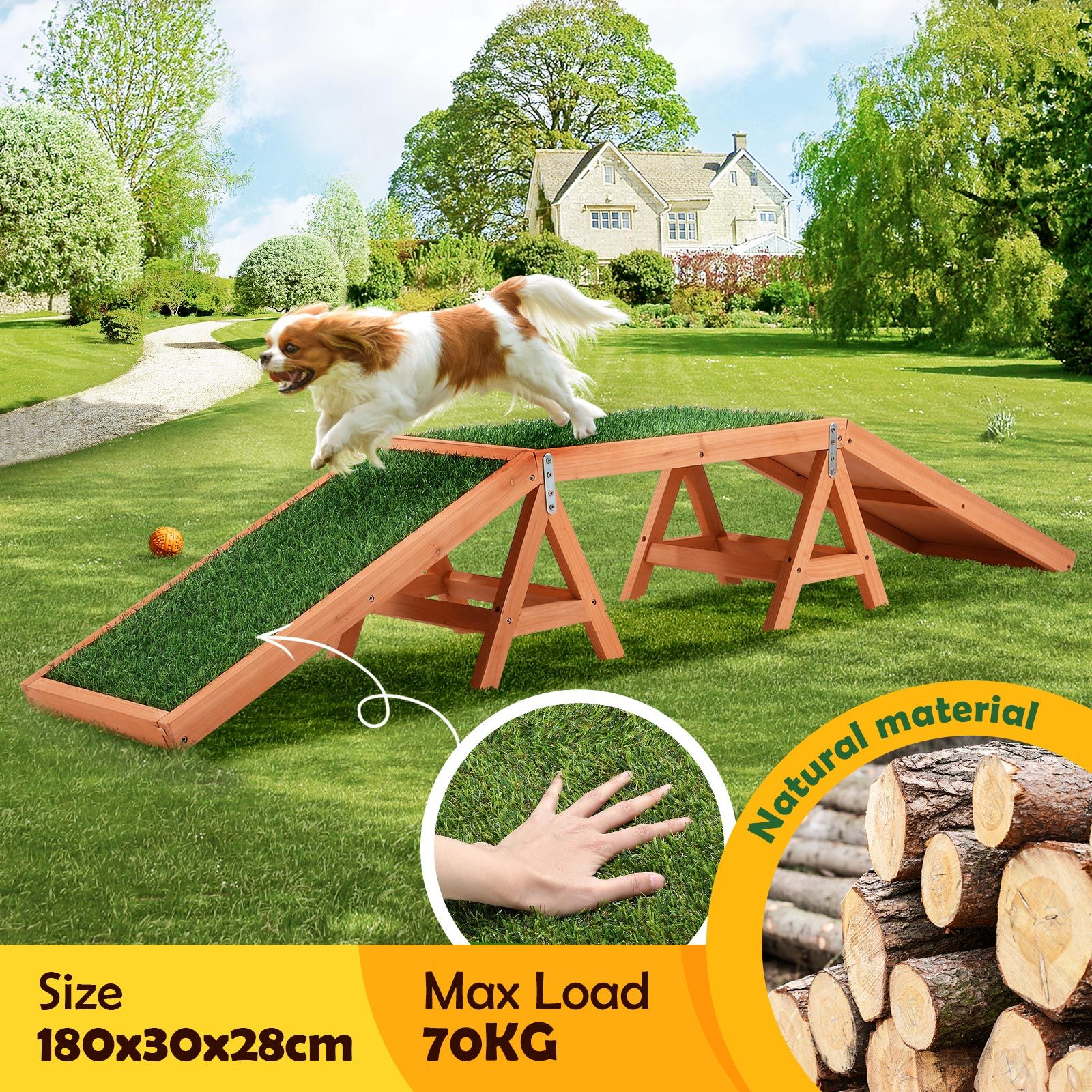
Teaching your dog how to train dog to use ramp is a rewarding journey that combines patience, consistency, and understanding. Properly selected ramps, creating a positive environment, and employing gradual, reward-based training steps are essential elements to ensure your furry friend’s safety and confidence. Remember to assess your dog’s physical abilities, tailor the training process accordingly, and continuously reinforce good behavior in everyday routines. With time and dedication, your dog will seamlessly incorporate the ramp into their daily life, gaining independence and reducing the risk of injury. Not only will this improve their mobility, but it will also strengthen your bond through positive, trust-based training experiences.
If you’re ready to start, explore top-rated ramps on Amazon’s Choice that suit your dog’s size and needs, and begin transforming their mobility today!