Unlocking the Secrets of Acrylic Nails – Your Ultimate Buyer’s Guide for Stunning & Safe Manicures
Acrylic nail extensions have become a staple in the beauty industry for their durability, versatility, and ability to create stunning nail art. Whether you’re a professional manicurist or an everyday enthusiast, understanding how to maintain and properly care for your acrylic nails can make a significant difference in your nail health and aesthetic appeal. In this comprehensive guide, we’ll explore everything from what acrylic nails are, their benefits, common challenges, and most importantly, how to maintain and file them safely for long-lasting, beautiful results.
Understanding Acrylic Nails
Before diving into the intricacies of maintenance and filing, it’s essential to grasp what acrylic nails are, why they have become so popular, and the potential challenges they pose. Acrylic nails are not just a beauty trend; they are a complex, artful combination of chemistry and craftsmanship. This section provides an overview of acrylic nails to help you appreciate their benefits and understand the importance of proper care.
What Are Acrylic Nails?
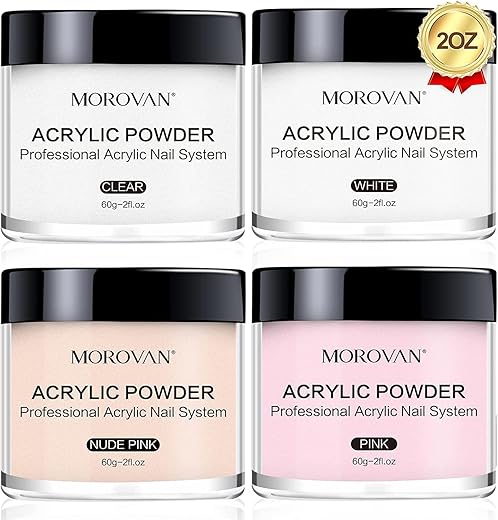
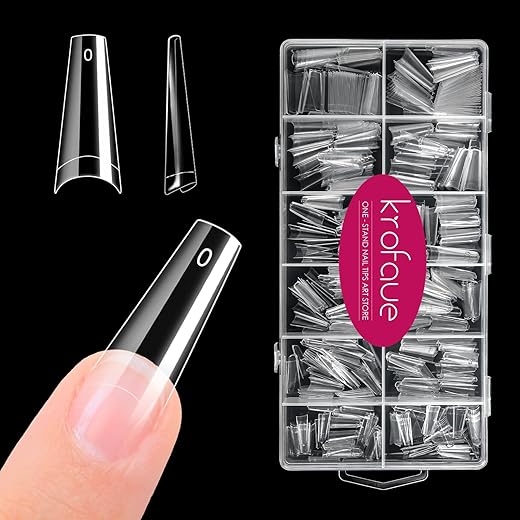
Acrylic nails are a type of nail enhancement made by combining a liquid monomer and a powder polymer to form a paste, which is then applied over natural nails or tips. This results in a hard, durable layer that extends the natural nail, allowing for creative designs or a polished, uniform look. The application process typically involves cleaning and preparing the natural nails, applying nail tips or forms, and then sculpting and curing the acrylic mixture.
The composition of acrylic nails centers around two main ingredients:
- Acrylic liquid: Contains monomers such as methyl methacrylate or ethyl methacrylate.
- Acrylic powder: Usually a polymer like poly methyl methacrylate.
This combination creates a chemical reaction that hardens quickly, forming a resilient layer over the natural nail. Once cured, the acrylic surface can be shaped, buffed, and polished to perfection.
The popularity of acrylic nails is attributable to their customizable nature—allowing for a wide array of shapes, lengths, and decorative options. Nail technicians can add embellishments, intricate art, or simply create a clean, natural look. Besides their aesthetic appeal, acrylic nails are highly durable, making them suitable for individuals with fragile or brittle natural nails.

 amazon.com



Benefits of Acrylic Nails

Among the vast array of nail enhancements, acrylic nails stand out for several compelling reasons that attract millions worldwide. They are not just a fashionable choice but also a practical one, provided they are maintained correctly.
Durability and Strength: One of the main advantages of acrylic nails is their robustness. They resist chipping, cracking, and breakage, which makes them ideal for individuals with weak or brittle natural nails. This durability ensures that your manicure stays intact for weeks with proper maintenance.
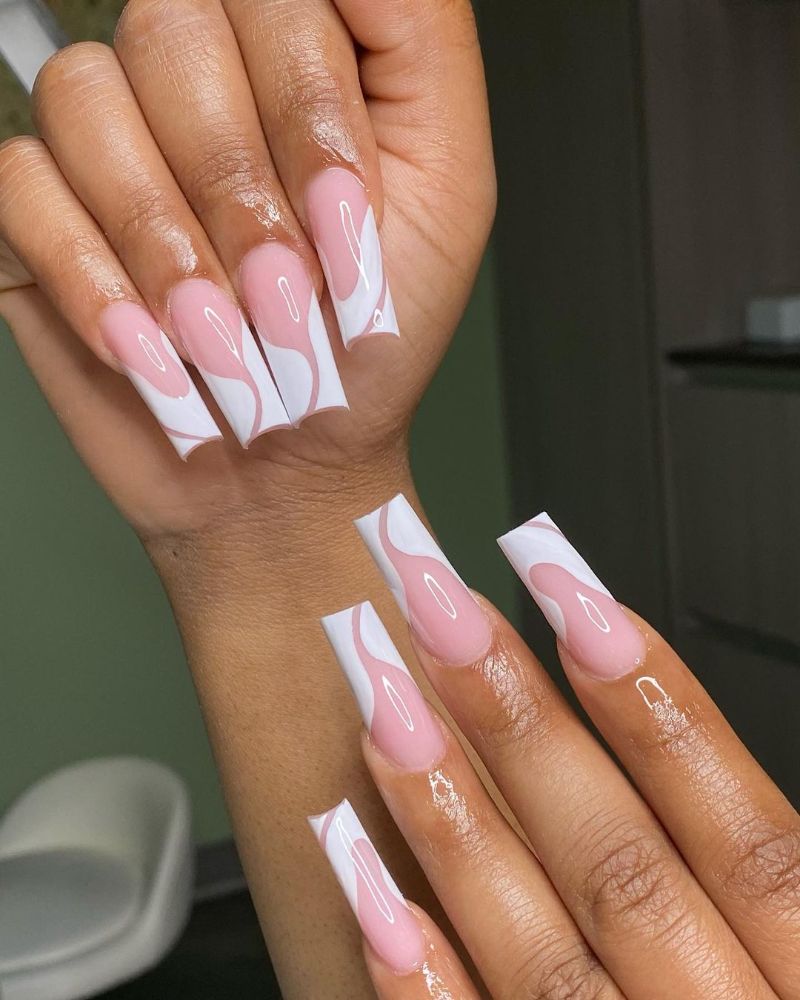
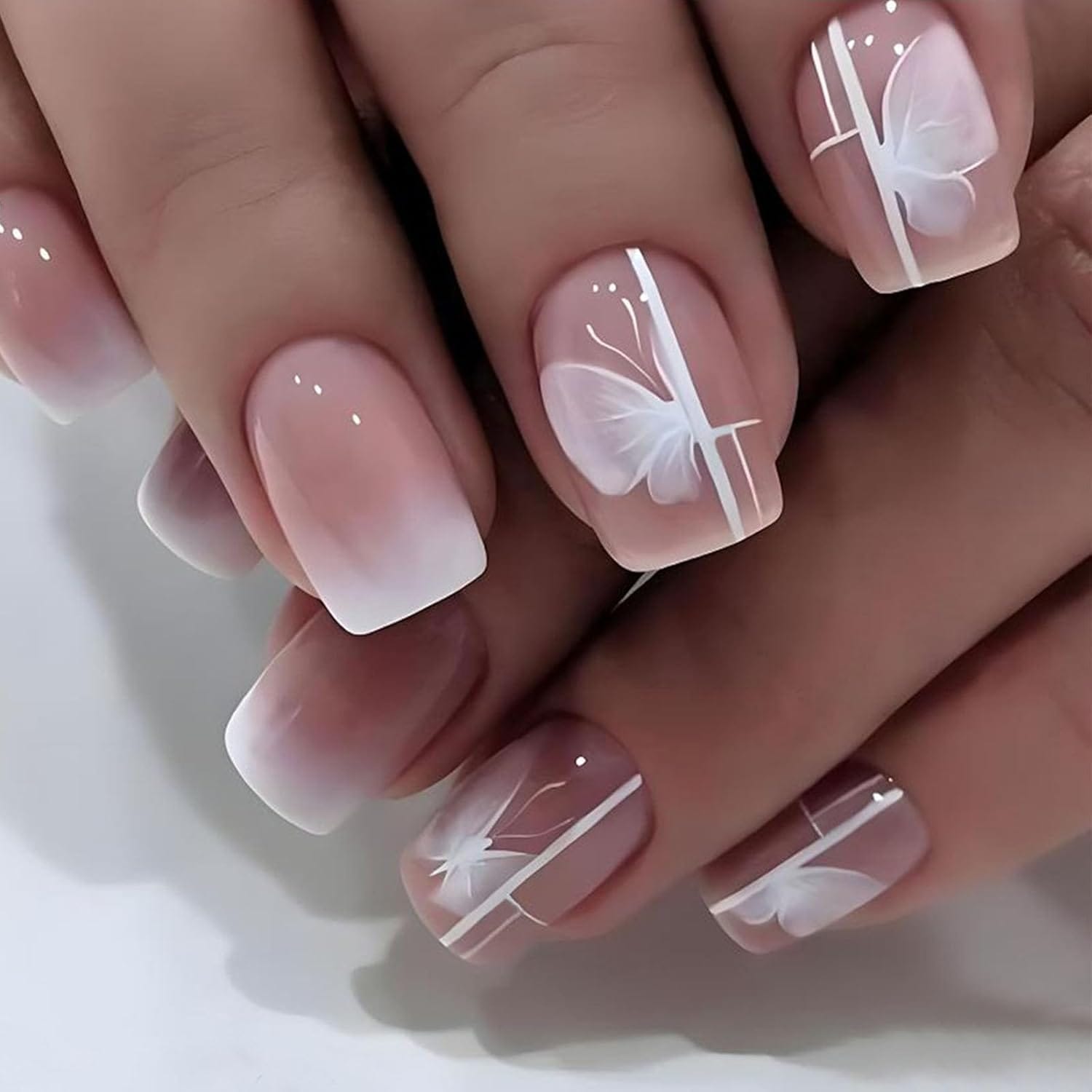
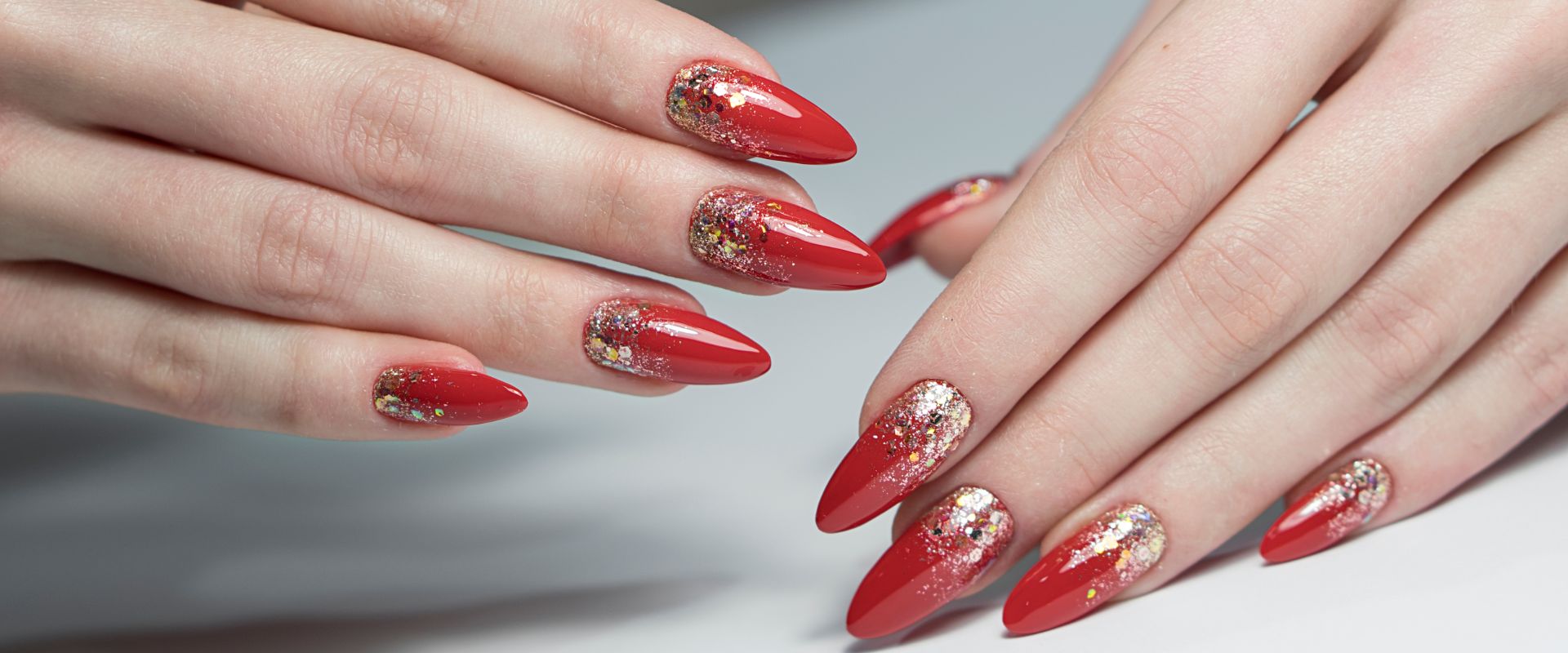
Versatility in Design: Acrylic nails serve as a blank canvas for creative expression. Nail artists can craft everything from elegant French tips to intricate three-dimensional art or embedded decorations. They allow for a high degree of personalization, making each set uniquely yours.
Aesthetic Enhancement: Acrylics can instantly transform your look, adding length, shape, and shine. Whether aiming for a subtle natural appearance or a bold, glittering statement, acrylic nails make it achievable.
Cost-Effectiveness: Compared to other enhancements like gel or SNS nails, acrylics often provide a longer-lasting option, reducing the frequency of visits to the salon. With regular acrylic nail maintenance tips, nails can maintain their beauty for up to several weeks.
Quick Application Process: For professionals, acrylic nails are relatively straightforward to apply once proficient, allowing for faster turnaround times that benefit both the technician and client.
Incorporating acrylic nails in your beauty routine offers not just aesthetic enhancement but also boosts confidence through a polished and glamorous look. Nonetheless, they require strategic care to realize these benefits fully.
Common Challenges with Acrylic Nails
While acrylic nails possess many benefits, they aren’t without challenges that can compromise their appearance and your nail health. Understanding these potential issues helps in taking preventative steps, ensuring your manicure remains beautiful and safe.
Chipping and Lifting: Over time, acrylic nails are prone to lifting at the edges or chipping, especially with daily activities that put stress on the nails. Lifting occurs when the acrylic begins to separate from your natural nail, creating an environment susceptible to bacteria and fungi.
Cracking and Breakage: Although durable, acrylics can crack or break under impact, especially if they are too long or if the application was not perfect. This can cause discomfort and may compromise the structure of the entire nail set.
Damage to Natural Nails: Improper removal or excessive filing can weaken the natural nail plate, leading to thinning, peeling, or even nail loss. It’s crucial to balance aesthetic desires with maintaining nail health.
Infections and Allergic Responses: Poor hygiene, contaminated tools, or prolonged exposure to certain chemicals can lead to infections beneath the acrylic or allergic reactions. Symptoms might include redness, swelling, and pain, emphasizing the importance of proper acrylic nail maintenance tips.
Discoloration and Staining: Exposure to certain products or neglecting regular cleaning can cause the acrylic surface to stain or accumulate debris, diminishing the overall look of the nails.
Environmental and Chemical Damage: Harsh chemicals, such as acetone-based removers or cleaning agents, can weaken acrylics over time. Regular how to file acrylic nails safely and proper maintenance can mitigate these risks and extend the life of your nails.
By thoroughly understanding these challenges, you can develop a proactive approach to care and maintenance that ensures your acrylic nails remain stunning and your natural nails stay healthy.
Acrylic Nail Maintenance Tips

Proper maintenance is the backbone of keeping acrylic nails looking pristine and extending their lifespan. A combination of regular care routines, mindful habits, and professional support can transform a simple manicure into a long-term beauty investment.
Regular Care and Cleaning
Maintaining clean acrylic nails is fundamental to preventing bacterial and fungal infections. Residue buildup from everyday activities, such as dishwashing, typing, or using cleaning products, can dull their shine and promote unsanitary conditions if not addressed regularly.
Start with gentle cleaning routines using alcohol-based disinfectants or antibacterial wipe solutions to keep your nails fresh. A soft brush or lint-free wipe can help remove debris and dust from the surface without scratching the acrylic.
Avoid harsh scrubbing or abrasive cleaners that can damage the acrylic surface. Instead, opt for mild, non-acetone cleansers suitable for artificial nails. These products ensure your nails remain hygienic without compromising their integrity.
Additionally, incorporating regular acrylic nail maintenance tips like deep cleaning with soft tools, avoiding prolonged water exposure (which can weaken adhesives), and using cuticle oils can boost your nails’ appearance and health. Applying a quality topcoat periodically can also re-establish shine and add a protective barrier against external elements.
Moisturizing and Cuticle Care
Moisturizing the surrounding skin and cuticles is vital to prevent dryness, cracking, and peeling, which can lead to lifts and infections. Acrylic nails tend to dry out natural nail beds and cuticles over time, especially if exposed to frequent water or chemicals.
Using cuticle oils enriched with vitamins E and coconut oil helps keep the cuticles supple and healthy. Applying these oils daily, particularly after washing your hands or exposing nails to harsh chemicals, fosters better adhesion of the acrylic and promotes natural growth.
Moreover, maintaining hydrated nails prevents the development of hangnails and minimizes chipping. It is equally important to massage the cuticle area gently to stimulate blood flow, enhancing overall nail health.
Remember, nourishing your nails and cuticles also maintains the flexibility and strength of the natural nails, which supports the longevity of your acrylic enhancements. Proper hydration, combined with strategic care, ensures a seamless, polished look that can last longer.
Avoiding Harsh Chemicals
Chemicals like acetone, alcohol, and certain solvents are notorious for weakening acrylic nails. While acetone is common in nail polish removers, pure acetone accelerates dehydration and can cause the acrylic to lift or crack if used excessively.
Instead, select gentle, acetone-free removers and cleaning products tailored for acrylic nails. This reduces the risk of damage, especially when combined with acrylic nail maintenance tips focused on gentle handling.
It is also crucial to wear protective gloves when working with household chemicals, cleaning agents, or gardening supplies. Gloves act as a physical barrier, preventing harsh substances from coming into direct contact with your manicure, thus preserving the integrity of your acrylics.
Furthermore, avoid exposing your nails to direct sunlight or extreme heat, which can cause warping or discoloration. Regularly inspecting your products and environment allows you to prevent inadvertent chemical damage that can shorten the lifespan of your manicures.
Proper Wearing Habits
Adopting mindful habits during daily activities can save your acrylic nails from unnecessary trauma. Refrain from using your nails as tools for opening cans or scratching surfaces, as this can cause chipping or breakage.
Be cautious when handling heavy objects, and avoid sudden impacts that might crack or dislodge the acrylic. Wearing gloves during chores such as washing dishes, cleaning floors, or gardening adds an extra layer of protection.
Mindful habits also include avoiding excessive water exposure, as water can weaken the bond between natural and artificial nails. When washing hands or doing dishes, wear waterproof gloves to prevent water from seeping underneath the acrylic.
Another essential tip is to schedule regular scheduled professional fill-ins and repairs. Professional touch-ups help fix early signs of lifting or chipping, ensuring your acrylic nails stay flawless and your natural nails remain healthy.
Scheduled Professional Fill-Ins and Repairs
One of the most effective acrylic nail maintenance tips involves routine visits to a qualified nail technician. These appointments should be scheduled every two to three weeks, depending on growth rate and nail condition.
During these visits, the technician can perform necessary repairs such as fixing lifts, removing superficial chips, and performing how to file acrylic nails safely techniques to smoothen out imperfections. Regular fills not only maintain the nail’s aesthetic but also prevent dirt build-up and bacterial infections hidden beneath lifted or damaged acrylics.
Professional repairs also help assess the health of your natural nails, providing an opportunity for advice on further care routines or adjustments to your existing maintenance practices. Keeping your acrylic nails in excellent condition prolongs their wear and minimizes discomfort or damage.

$6.99
$9.99
$9.99

$6.97


$1.97
$6.50
$6.01
How to File Acrylic Nails Safely

Filing acrylic nails is an essential skill to maintain their shape, smoothen chipping edges, or address lifting. However, improper filing can damage your natural nails or weaken the acrylic structure. Learning the correct techniques and using the right tools is key to achieving a flawless finish while preserving nail health.
Tools Needed for Filing
Having the right tools ensures efficient and safe filing. The essential equipment includes:
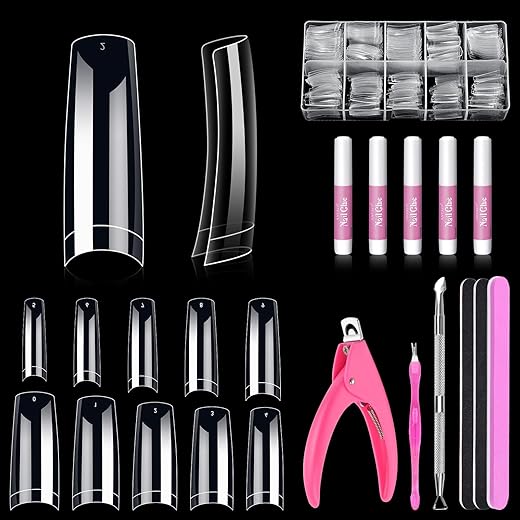
- Fine grit files: Usually between 180-240 grit, ideal for shaping and smoothing without over-filing.
- Buffer blocks: Dual-sided buffers help even out surface ridges and enhance shine.
- Cuticle pushers: Used to gently remove debris and lift cuticles before filing.
- Nail clippers: For trimming excess length prior to shaping.
- Nail brushes: To remove dust and debris after filing.
- Sanitizing solutions: To disinfect tools and prevent contamination.
Investing in high-quality tools not only improves results but also reduces the risk of damage. Always sanitize your equipment before and after use to maintain a hygienic workspace and protect your nails from infections.
Preparing for Filing
Preparation lays the foundation for safe and effective filing. Begin by thoroughly sanitizing your tools with disinfectants to prevent bacteria transfer. Find a well-lit, flat workspace where you can comfortably see your nails and manipulate tools without strain.
Next, gently remove any residual polish with an acetone-free remover. If your acrylics have grown out, trim or file back excess length cautiously. To prepare the nails for shaping, soak your nails in warm, soapy water for a few minutes to soften the cuticles and surface debris, making the process smoother.
Apply a small amount of cuticle oil to the surrounding skin to hydrate and lubricate the area. This reduces discomfort and minimizes the risk of tearing or damaging the natural nail during filing.
Before starting, ensure your nails are dry and free of oils, lotions, or residues. Proper preparation not only facilitates a cleaner, more precise filing process but also safeguards your nails’ health.
Correct Filing Techniques
Mastering proper filing techniques is critical to avoid damaging your natural nail or compromising the acrylic layer. Here are detailed steps to achieve safe and effective filing:
- Angle and stroke: Hold the file at a 45-degree angle to the nail edge. Use gentle, even strokes rather than pressing hard into the nail. This minimizes over-filing and preserves the natural nail underneath.
- Filing direction: Always file in one direction—avoid sawing back and forth, which can create microfractures and weaken the nail. Use smooth, controlled strokes to shape and smooth edges.
- Filing the edges: Focus on the free edge of the nail to create a clean, rounded, or coffin shape, depending on your preference. Be cautious near the cuticle area to prevent lifting or damage.
- Contouring and shaping: Use the file to refine the overall shape, ensuring symmetry and uniformity. Remember to move from side to side to maintain consistent curvature.
- Avoid over-filing: Be aware of the natural nail beneath the acrylic—over-filing can thin out the natural nail plate, increasing susceptibility to damage. Regularly inspect your progress and stop when the desired shape is achieved.
Managing Lifting and Chips
Early signs of lifting and chipping are common but manageable with gentle techniques. When addressing these issues, avoid aggressive scraping or over-filing, which can exacerbate the problem.
Use a fine-grit file to gently smooth the lifted area, removing any debris or uneven edges. Carefully blend the lifted edge back into the main acrylic layer to prevent further separation. Remember, the goal is to make the repair seamless and avoid damaging the natural nail.
If chips are deeper or more extensive, consider consulting a professional for a proper fix. Home repair should focus on minor imperfections, and persistent issues warrant expert intervention to prevent infections and further damage.
Finishing and Smoothing
After shaping and removing chips, buff the nail surface using a buffer block to eliminate ridges or rough spots. This step enhances the smooth, glossy finish that embodies a professional look.
Apply gentle pressure during buffing, moving from coarse to finer grit surfaces progressively. Finish with a polishing buffer for a mirror-like shine.
To complete the process, hydrate your cuticles and surrounding skin with nourishing oils and apply a nourishing topcoat to protect the acrylic surface from environmental damage. Proper finishing ensures your nails look stunning and are better protected against daily wear and tear.
Conclusion

Achieving and maintaining beautiful acrylic nails requires more than just applying the enhancements; it demands diligent care, proper techniques, and attention to detail. Routine acrylic nail maintenance tips like regular cleaning, moisturizing, and avoiding harsh chemicals help prolong the lifespan of your manicure and keep your natural nails healthy. Learning how to file acrylic nails safely is an invaluable skill that ensures your nails stay in perfect shape without jeopardizing your nail health. Whether you’re getting professional fill-ins or maintaining at home, understanding these practices elevates your nail game. With the right tools, techniques, and a proactive approach, acrylic nails can be a gorgeous, durable, and safe expression of style—transforming your look and confidence, one stylish manicure at a time.
Ready to elevate your nail care routine? Explore our top-rated **Buyer’s Guide and discover the best tools and products for safe filing, maintenance, and stunning acrylic nails on Amazon’s Choice selections now!